
Australia Housing Value Hits $12.3T in 2025 What It Means for Borrowers
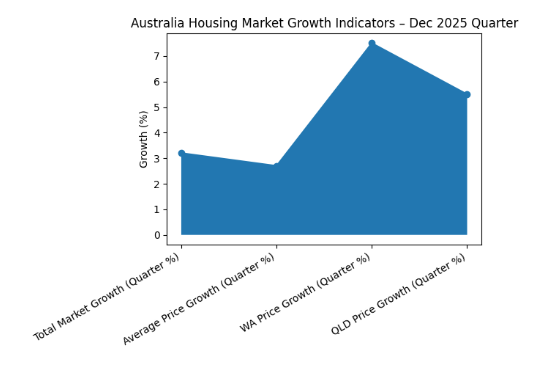
New data from the Australian Bureau of Statistics (ABS) shows the country’s housing stock is worth an all‑time high. In the December 2025 quarter, the total value of residential dwellings jumped by $384.8 billion (3.2%) to $12.3 trillion. This marks the first time Australia’s homes have collectively passed the $12 trillion mark. All states saw value gains, led by Western Australia and Queensland. In fact, the national average home price climbed about 2.7% to roughly $1.075 million. The number of homes also rose, nearly 54,100 more dwellings were counted, bringing the total to about 11.45 million.
These headline figures translate into some key takeaways for homeowners and buyers:
Enormous home equity: Australians collectively hold more home wealth than ever. With a 12‑trillion-dollar market, existing homeowners have seen huge capital growth on average, a home is now worth just over $1.07 million.
Broad-based growth: Every state experienced value increases this quarter. Western Australia recorded the fastest quarterly jump (around 7–8%), followed by Queensland (5–6%). Even New South Wales and Victoria added modest gains. In short, the property boom is nationwide.
Ongoing supply crunch: Low listings and high demand continue to push prices up. Economists note this ‘structural shortage’ means competition remains fierce. Indeed, recent CoreLogic data show home values are still rising (about 9–10% yearly) and rents are outpacing wage growth. In this tight market, borrowers face tougher serviceability tests on loans.
As mortgage brokers at Ask Financials, we read these numbers with a balanced eye. Good news first: long‑term investors and existing owners have seen healthy gains. More homeowners now sit on significant equity, which can be tapped or refinanced into bigger projects. The high total market value also signals confidence that home prices remain resilient even after recent interest rate rises. Leading banks (like Westpac) are still forecasting further growth in 2024 and beyond.
Caution ahead: however, the strong property market means higher entry costs. First‑home buyers will need larger deposits, and banks are applying strict buffers when assessing borrowing power. With rental costs surging (up ~44% in five years) far faster than wages, many would‑be buyers are seeing 30% or more of their pay go to rent or mortgage. This squeeze tightens how much they can borrow. In practice, we’re telling clients not to rush in without a plan. Pricing may ease if supply improves, and serviceability requirements remain tough, so choosing the right loan structure is crucial.
We recommend getting expert advice on loan options and strategy. A good mortgage broker will run the numbers for you, compare over 50 lenders, and even negotiate terms on your behalf. For example, brokers can show whether a fixed, variable, or split loan fits your budget, given today’s rates. They can also forecast how much home you can afford now versus after saving a bit more deposit. This kind of guidance is exactly what Ask Financials offers, we help you plan the numbers and structure your loan so you don’t miss out in this competitive market.
Ready to make your move? For tailored advice and to discuss your buying strategy, contact Ask Financials today. Call us on 0433 944 055or book a free consultation; we’re here to guide you toward the right property and loan. Follow Ask Financials on Instagram and LinkedIn for more home‑loan tips and market insights.
