
How CGT Discount Changes Could Devastate Australia's Rental Market
Why Raising Property Taxes Won’t Solve Australia’s Housing Shortage
Housing is already heavily taxed – the HIA notes that nearly half the cost of a new house-and-land package goes to taxes, fees and charges. As mortgage brokers we share that concern: adding more taxes (for example, cutting the CGT discount) just pushes costs up without fixing the supply crunch.
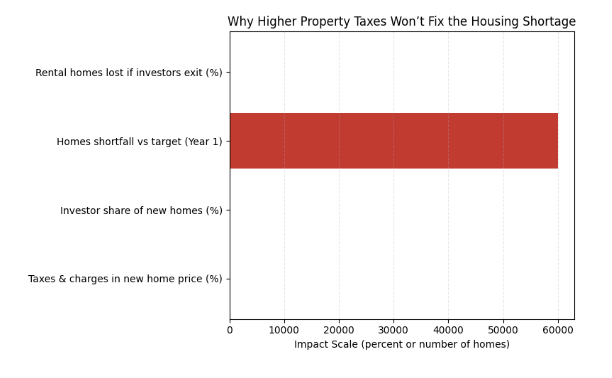
Around 40% of new homes are investor-financed. Experts warn that cutting their tax breaks would prompt many investors to sell. "Every investor who sells… removes a rental home from the system," one industry figure notes. Fewer landlords would worsen an already tight rental market, putting upward pressure on rents.
Australia needs more homes. The government's target is 1.2 million new dwellings by 2029, but construction is lagging (about 60,000 homes short in Year 1). Brokers agree that tinkering with taxes “would do little to address the root causes” of the shortage. In fact, penalising investors makes construction costlier. The real solution is supply-side: cut red tape, build infrastructure and incentivise construction.
Key takeaways for borrowers and investors
Investor demand and rental supply: Roughly 40% of new homes are bought by investors. Cutting their tax breaks (like reducing the CGT discount) risks spooking landlords – many say they would sell up under reform. Each investor who exits removes a rental property from the market, which would tighten already limited rental stock and drive rents higher.
Borrowing power and budgets: Skyrocketing rents and prices squeeze household budgets. Many tenants now spend over one-third of income on rent, so lenders stress-test loans more strictly. The result: borrowers will qualify for smaller loans unless they cut other expenses or boost savings.
Larger loans and deposits: Rapid price rises mean bigger mortgages. For example, a roughly +9.4% year-on-year home price jump has added about $75–80K to the median loan size. Lenders still require 5–10% deposits, so saving that extra is tougher. First-home buyers should grab any grants available, and others might consider family guarantees or offset accounts to bridge the gap.
Strategic loan planning: Review your loan structure with your broker. Splitting your loan between fixed and variable rates is a smart way to protect yourself if rates climb, and pairing that with an offset account can make a real difference to your repayments over time. We always encourage clients to run through different scenarios — what happens if rates go up? What if your rent doesn't cover costs for a month? Building in a buffer means you're not caught scrambling when life throws a curveball.
It's also worth keeping an eye on policy shifts, because they can move the goalposts quickly. The good news is we can model how those changes affect your situation and tweak your plan before they become a problem.
If you're thinking about buying or investing and want advice that actually fits your circumstances, reach out to Ask Financials. Call us on 0433 944 055 or lock in a free consultation — no pressure, just a proper conversation about where you're headed. Follow us on Instagram and LinkedIn for regular tips and market updates.
