Australia 2026: 3.8% Inflation Pressures Home Loans
Steady 3.8% Inflation Puts Pressure on Home Loans
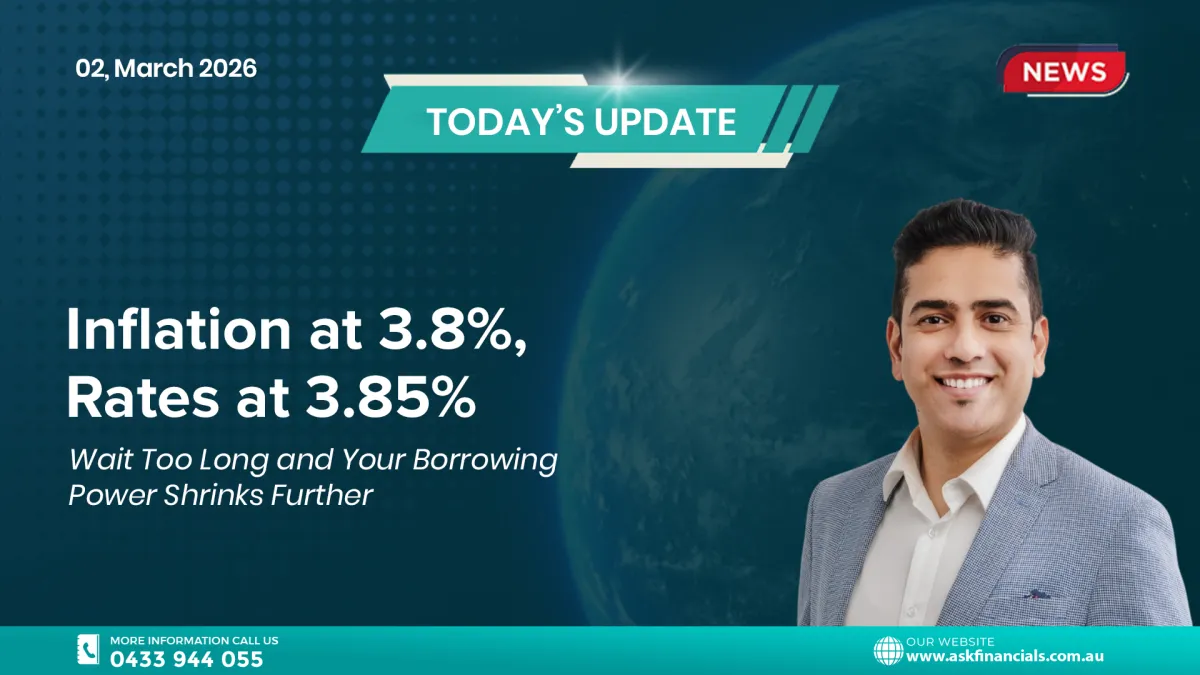
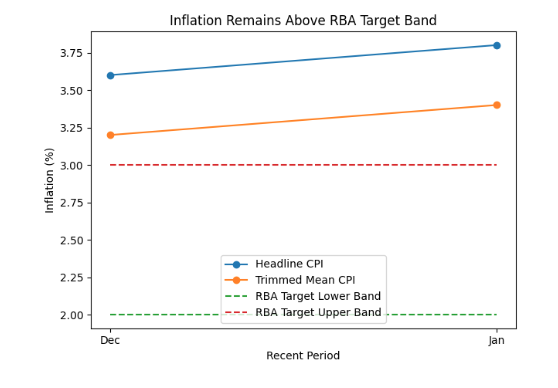
Recent ABS data show headline inflation held at 3.8% year‑on‑year in January 2026, with the trimmed-mean (underlying) rate ticking up to 3.4%. Housing costs were the largest contributor (up 6.8% annually). This keeps inflation above the RBA’s 2–3% target band, and the RBA has already raised the cash rate by 0.25% in early Feb (to 3.85%). Economists now expect more hikes in the coming months (many point to May or August for the next rise). In short, inflation is “hotter than expected” – so borrowers should brace for higher rates and tighter lending conditions.
Impact on Borrowers & Home Loans
Tighter Borrowing Power: Higher Debt-to-Income Ratios: Increased inflation and continued rise in living expenditures create pressure on household budgets. As become evident, lenders will consider these higher housing and living expenses when performing the assessment of serviceability on the loan application, and as a result, there is less money available to borrow. With the observation of many of the rent-seekers now spending in excess of thirty-three per cent of their income on rent, lenders normally include these costs when determining loan eligibility. In practice, this means even if your income hasn’t changed, your borrowing capacity shrinks unless you save a larger deposit or cut other debts.
Rising Repayments Risk: With inflation above target, the RBA has signalled that more rate hikes are likely. Fixed‑rate prices already reflect this: for example, CBA recently lifted its 2‑year fixed rates by ~0.35%. Variable-rate borrowers should assume higher costs, too. We stress-test every loan as if rates were 1–2 points higher (e.g. 6–7%), so families remain safe if rates climb. Put simply, budget now as if repayments are higher – consider paying extra or fixing part of your loan while you can. (As EY’s Cherelle Murphy warned, the RBA “has its work cut out” to tame inflation, meaning more hikes are likely.)
Loan Strategy and Structure: In this environment, “larger loans need stronger structure”. We advise clients to build buffers: use offset accounts, split loans (fixed + variable) and keep savings on the side. A bigger deposit is more important than ever – one LinkedIn insight stresses “Deposits matter more” when prices and rates rise. Also note new rules and bank policies: APRA’s Feb’26 debt-to-income cap limits very high‑leverage loans, and major banks are tightening trust/company lending. Borrowers should consider personal-name loans or alternative structures if possible. In short, work with your broker to pick the right loan structure now rather than scramble later.
Investors, Refi Timing and Cashflow: Property investors face added pressure. Higher rates squeeze rental cashflow, so check your numbers: will rent still cover costs? If not, consider switching to an interest-only or extending your term. If you’re refinancing, don’t delay – locking in today’s deals (or splitting into partly fixed) may save money if rates jump. As one Ask Financials analyst put it: “Strategy beats waiting.” Plan your move now, not after rates rise further.
Overall, this “hot” inflation print means borrowing power is under strain and repayments will rise. We encourage all clients to stress-test their home loan plans, compare fixed vs variable options carefully, and watch for lender policy changes. With inflation well above the RBA’s band and regulators flagging tighter credit rules, being proactive is key.
Ready to make your move?
For tailored advice or to discuss your buying or refinancing strategy, contact Ask Financials. Call us at 0433 944 055 or book a free consultation today. Follow us on Instagram and LinkedIn for more tips and updates – we’re here to guide you to the right loan and property in a changing market.
