Debt Consolidation: When It Helps and When It Hurts Your Mortgage
When it comes to managing multiple debts, the idea of consolidating them, especially rolling them into a home loan, appears attractive. For many homeowners, the process feels like streamlining finances: one payment instead of several. But the decision deserves careful thought. The right approach demands discipline, awareness of long-term costs, and a realistic view of your financial habits. That’s where we at ASK Financials step in—helping homeowners review their options, crunch the numbers, and decide whether refinancing together with consolidation truly aligns with their financial goals. We help our clients evaluate whether debt consolidation via refinancing is a smart move—or a slippery slope. In this blog, we explore when debt consolidation helps and when it hurts with a broader view of the mortgage market in Australia.
What Is Debt Consolidation, and How Refinancing Plays a Role
Debt consolidation simply means combining multiple debts (e.g., credit cards, personal loans, car loans) into a single loan that typically has one interest rate and one monthly repayment. Many choose to consolidate by refinancing their home loan, often referred to as a “cash-out refinance” or “rate and term refinance.”
In a cash-out refinance, homeowners tap into their home equity and borrow more than the current mortgage balance; the extra funds are used to pay off other debts.
In a rate-and-term refinance, the mortgage is renegotiated (lower rate, longer or same term), but no extra cash is withdrawn; the refinance simply replaces the existing mortgage.
Access to equity and better terms: Through refinancing your existing home loan (or consolidating additional debts), you might leverage home equity, restructure loan terms, or extend the loan horizon, sometimes resulting in quite more affordable monthly payments in the short term.
When Debt Consolidation Helps Your Mortgage
Here’s when debt consolidation via mortgage refinancing tends to be a wise move:
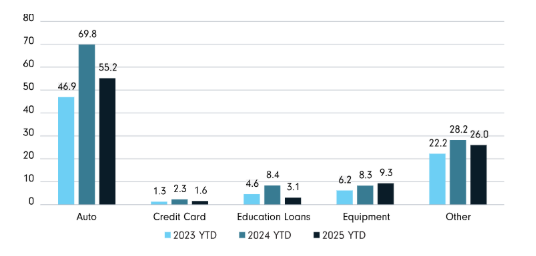
Opportunity to Refinance: With the recent slowdown in interest rates, many borrowers are mainly refinancing. According to ABS, in the September 2025 quarter alone, around A$65.8 billion in home loans changed lenders—roughly US$500,000 worth of mortgages being refinanced every minute. Meanwhile, the value increased by 9.6%, but the overall number of new loan commitments for homes increased by 6.4%.
Lower Monthly Repayments and Cash-Flow Relief: If you consolidate high-cost debt (e.g., credit cards, personal loans) into a mortgage loan when interest rates are quite favorable on certain conditions, you may significantly reduce monthly interest burdens to some extent. According to 2025 data, the average variable rate for owner-occupier mortgages has fallen to about 5.75% p.a. That rate truly compares favorably against most personal loan or credit card rates, potentially easing cash flow stress.
Simplified Payment Structure: Mortgage consolidation genuinely transforms multiple monthly payments into one, reducing the risk of missed payments, improving budgeting, and easing financial stress.
Improved Debt-to-Income Ratio (DTI) Over Time: If you manage to pay down or restructure debt effectively, your DTI ratio improves, which can be beneficial if you plan to refinance again or borrow in the future.
Long-Term Financial Planning: For homeowners intending to stay in their homes for many years, stretching repayment over a longer mortgage term may make sense, especially if it enables better cash flow & financial stability.
When Debt Consolidation Hurts Your Mortgage
However, consolidation is not a foolproof solution. There are compelling reasons it can backfire, especially when done without careful planning:
Extending Debt Duration and Increasing Total Interest Paid: Rolling short-term debt into a long-term mortgage might lower monthly payments in some manner, but you'll likely end up paying more interest over the life of the loan.
Potential Deterioration of Home Equity: A larger loan balance (after rolling in additional debts) reduces your equity. That could limit flexibility if you choose to sell or refinance again.
Risk to the Home Foreclosure Danger: Since the home secures the mortgage, defaulting on payments after consolidation puts the property at risk. This type of risk is explicitly true if you consolidate high-interest debt but don’t curb further spending.
Fees and Costs Associated with Refinancing: Refinancing usually comes with closing costs (typically 2–6% of the loan amount), appraisal fees, and sometimes other lender fees. Unless the long-term interest savings outweigh these costs, consolidation may not pay off.
What Borrowers Should Do: Plan Practically
The decision to use debt consolidation and refinancing is not automatically good or bad. It depends heavily on your unique financial situation. As part of a prudent plan, consider:
Comparing interest rates and fees: Always check explicitly if the new consolidated loan yields real savings after accounting for application, valuation, and other refinancing fees.
Evaluating loan term effects: While lower monthly repayments help cash flow, stretching debt over 25–30 years increases total interest paid.
Avoiding new debt after consolidation: If consolidation simply frees up capacity and leads to new debt (credit cards, personal loans), you may end up worse off.
Maintaining a disciplined repayment history: Consolidation precisely benefits you if you make consistent, on-time payments. Missing payments under a consolidated mortgage is way riskier.
Understanding credit score implications: Expect a short-term dip due to a new credit inquiry and loan account, but long-term improvements if you pay on time.
Final Thoughts
Debt consolidation via refinancing can be a powerful tool when used wisely. It can simplify finances, lower monthly repayments, and even improve your chances for future borrowing. But consolidation carries long-term costs, increased risk (your home becomes collateral), and possible credit-score implications if not managed carefully.
Before making any move, plan practically: compare interest rates and fees, and even consider how loan terms affect total cost and avoid the temptation to accumulate new debt after consolidation. Call us now at 0433-944-055 or book your free consultation call with ASK Financials, or follow us on LinkedIn and Instagram for expert guidance if you are considering consolidation to plan practically, compare options carefully, and think about long-term investment.